
From Shaky Handheld to Steady Frames: Callum's Three Weeks
Priya Nair
7 min read
A short account of Callum, a trainee reporter who came to us with wobbly handheld footage and left with steadier, cleaner frames for his regional news shoots.
Callum arrives with a problem he could see
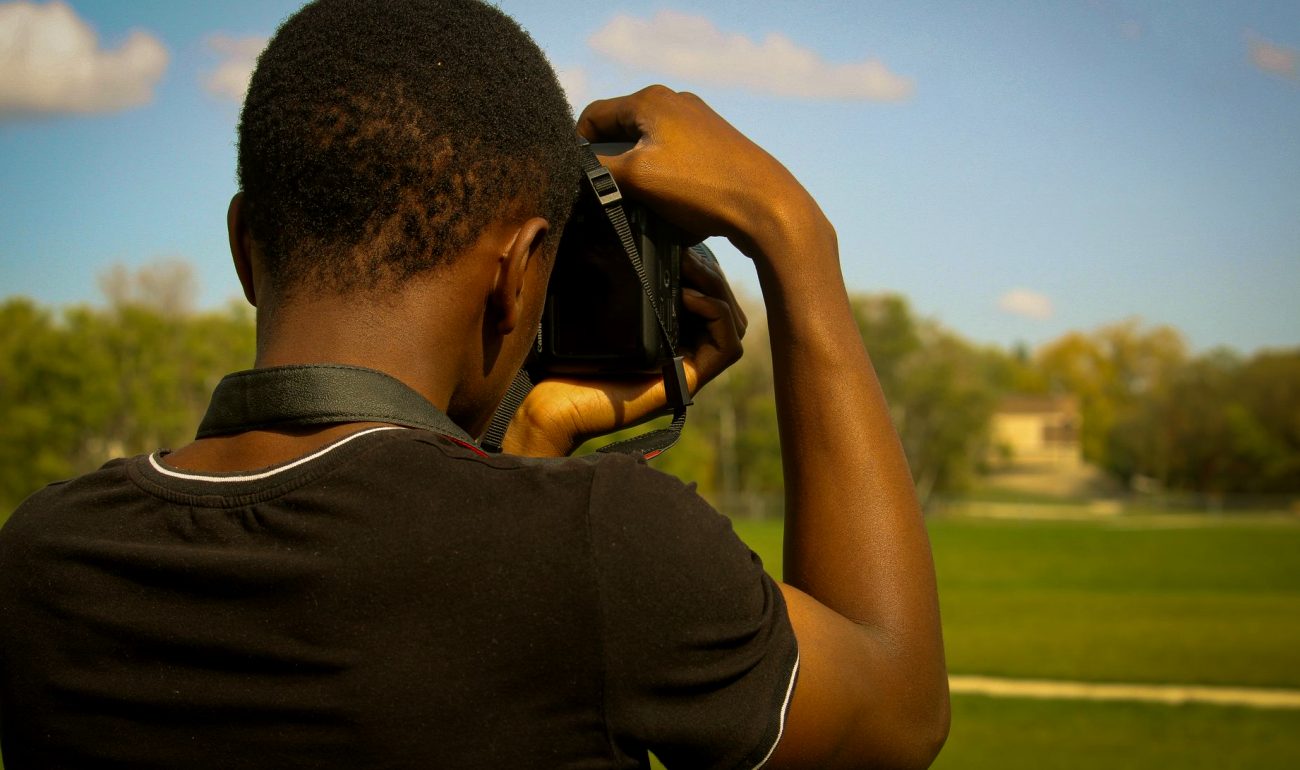
Callum came to us in early autumn with a memory card full of footage he did not want to show anyone. He had been working as a trainee reporter at a small regional outlet, and on most days he was expected to shoot his own material as well as write it. The pictures were not terrible, but they swam. Shots drifted off the subject, horizons tilted, and a simple walk-and-talk looked like it had been filmed from a moving bus.
He was honest about it from the first minute. He told me he knew what good footage looked like and could not work out why his own never matched it. That honesty made my job easier, because he already had a clear picture of the gap. What he lacked was a method for closing it, and a tutor standing beside him saying what the camera was actually doing.
We agreed a plan for three weeks of short sessions around his work shifts. Each one would start with a review of his own clips, then move to practical shooting in and around Shrewsbury, using the kind of locations he would meet on an ordinary news day.
Watching the footage before touching the camera
I always start by playing back a trainee's own material with the sound down. Without the commentary in their head, people see what the viewer sees. Callum watched a minute of his own market-square clip and winced at the same moments I would have pointed out: the late reframe, the focus pull that hunted, the sudden jump when he shifted his weight.
We listed what went wrong in plain terms rather than technical ones. The shot moved because his elbows were floating. The exposure changed because he stepped from shade into sun mid-take and left the camera on automatic. The subject was cut at the chin because he framed while walking and looked at the screen instead of the person.
None of that needed new kit. It needed habits, and habits can be built quickly if the list is short. We kept it to three things for the first week: how he stood, how he held the camera, and what he did before pressing record. Everything else could wait until those were reliable.
- Feet apart, knees soft, weight even
- Elbows tucked in, camera braced against the body
- A five-second check of frame, focus and exposure before every take
Standing, holding, breathing
The first practical session was almost dull, and that was deliberate. Callum shouldered the camera and held a single static frame of a shop doorway for a full minute while I watched his posture. Within twenty seconds the picture began to creep. He was locking his shoulders and holding his breath, and both made the image tremble.
We worked on letting the body do the stabilising. Weight spread across both feet, elbows pulled in against the ribs, the camera sitting firmly on the shoulder rather than held out in front like a tray. He breathed out slowly during the take instead of freezing. The difference on the monitor was obvious to both of us at once, and he laughed when he saw it.
From there we added slow movement: a gentle step forward, a pan following a pedestrian, a tilt up a shopfront. I asked him to bend his knees and walk heel to toe, letting his legs absorb the bounce. By the end of the session his handheld shots were not locked off, but they moved with intention rather than nerves.
Framing and exposure on a real news street
In the second week we took the work out of the classroom and onto a busy street with changing light, which is where most of his shooting actually happens. I gave him small, realistic tasks: frame a passer-by giving a short answer, then a wide of the road, then a close detail of a notice in a window. Each was meant to cut together later without a jolt.
Exposure was the habit that paid off fastest. Callum had been trusting automatic settings and then wondering why faces went dark when someone walked in front of a bright window. We went through setting exposure on the face, holding it, and moving to a different spot when the light was simply wrong. He began to place his subject with the light behind himself, not behind them.
Framing took longer. He tended to centre everyone and leave empty space above their heads. We practised leaving a little headroom, giving the person room to look into, and keeping the shot steady for a few seconds either side of the answer, so an editor has something clean to cut on.
- Set exposure on the face, not the background
- Leave modest headroom and look-space
- Hold each shot a few seconds beyond the answer
Focus, a walk-and-talk, and the day it clicked
The third week was about putting it together. The hardest exercise was a walk-and-talk, where the reporter speaks as they move and the operator follows. Callum played the camera operator while another trainee played reporter, and then they swapped. Moving backwards, watching the screen, keeping focus on a person who keeps changing distance is a skill that only comes with repetition.
We slowed it down first. He practised the same twenty-metre route several times, learning where the pavement dipped and where a kerb would catch his heel. He set focus manually on the walking subject and kept a consistent gap, rather than letting the lens chase. By the fourth take the picture held, and the reporter's face stayed sharp from start to finish.
What I noticed most was how his attitude had changed. In the first session he apologised for every wobble. In the last he was calling his own retakes, asking for another pass because the light had shifted. That self-direction is what you want from someone who will often be working alone on location.
What Callum took back to his newsroom
Callum did not walk out with a transformed style, and I would be wary of any course that claimed to produce one in three weeks. He walked out with a short routine he could repeat anywhere: a stable stance, a quick check before recording, exposure set on the person, and a habit of holding shots a little longer than feels natural. Those few things carry a great deal of weight.
He sent me a clip a few weeks afterwards, a short interview shot on an ordinary morning outside a council building. The frame was level, the face was properly lit, and the camera barely moved. He had not asked for praise. He just wanted me to see that the horizon was straight now.
If you recognise yourself in his starting point, the useful lesson is how small the changes were. Almost none of it was about equipment, and nearly all of it was about posture, attention and preparation done the same way every time.
Callum's case is a reminder that steady, usable footage is mostly built from small, repeatable habits rather than expensive gear. A good stance, a short pre-record check and exposure set on the subject carry most of the work. If your own handheld clips drift or your faces go dark, start by watching them with the sound off and writing down plainly what the camera is doing. That list is where good field practice begins.
Ask for a quote
Write to us: hello@elupho.com