
Training
Six practical courses for reporters and camera operators, taught by working broadcasters in our Shrewsbury classroom and on location.
Six courses, one working craft
Each course covers one part of television fieldwork, from the camera on your shoulder to the question you ask on the doorstep. Take one on its own or combine several around the way your team works.
-
Field Camera Operation
You learn framing, exposure, focus and handheld stability on real news and feature shoots. David Pritchard works through each shot with you on location, so you see why a frame holds or falls apart. Expect plenty of time behind the camera.
-
On-Camera Reporting
Coaching in piece-to-camera delivery covers voice, posture and writing for the lens. Helen Marsden works on how you sound and stand, and on scripts that suit speaking aloud. You record, review and record again until the delivery feels natural.
-
Live Coverage Skills
Reporters and operators practise working together on live broadcasts, from cueing to coping when the plan changes. Priya Nair runs rehearsed crossings with timing, talkback and the small failures that happen on a real day. You leave knowing your part and your partner's.
-
Audio and Lighting for Location
Practical sessions on clean sound capture and simple lighting for interviews and standups. You handle microphones, place a boom and build a light set-up with only a few units. The aim is sound and pictures that need little fixing afterwards.
-
Interview Technique
You learn to structure questions, listen properly and shoot interviews that cut together cleanly. We cover where to place the camera, how to frame a guest and how to follow an unexpected answer. Practice interviews are filmed and reviewed with you.
-
Classroom Workshops for Teams
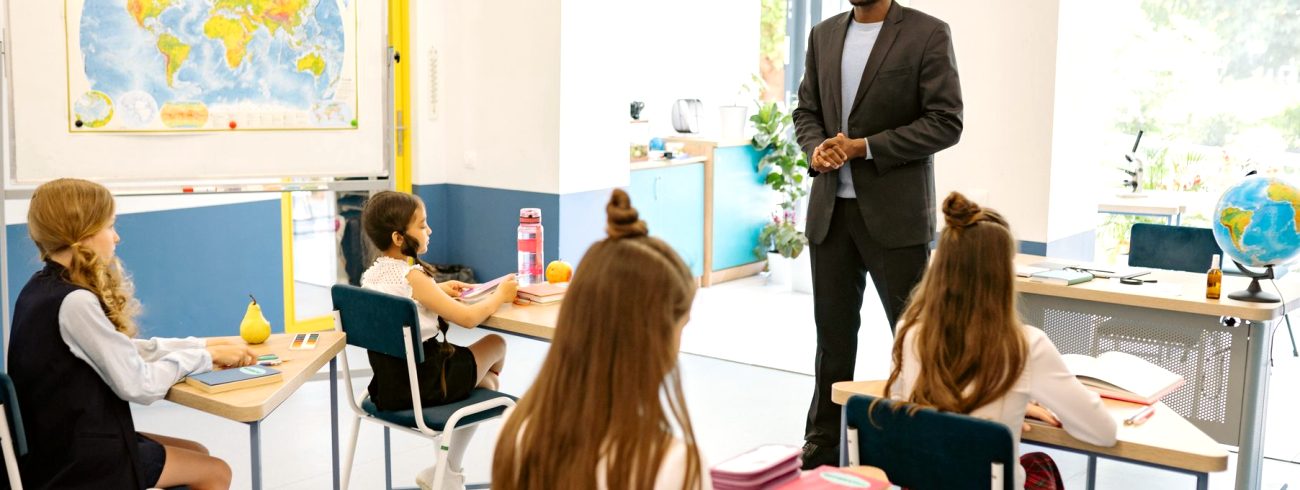
Group days are held in our Shrewsbury classroom for newsroom teams and student cohorts. We agree the content with you beforehand and draw on the other courses where they fit. Tom Ellison handles the schedule and the room.
Field Camera Operation: what a training day covers
This course suits operators new to broadcast cameras, reporters who shoot for themselves and experienced hands who want to tighten their habits. It runs as short demonstrations followed by supervised shooting, with David reviewing your footage as you go.
Contact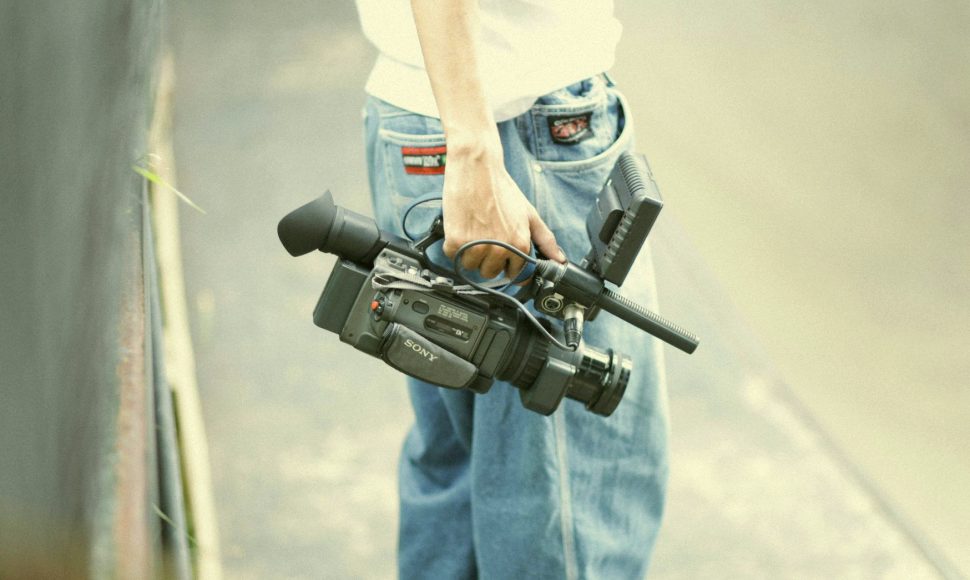
- Framing and composition
- We start with the shots a news edit depends on: wide, mid and close, plus cutaways. You practise holding a frame, leaving room for the reporter and avoiding awkward crops.
- Exposure and focus
- You work through iris, shutter and gain in changing daylight, then learn to pull focus without hunting. Mistakes are shown on playback so you can see the cause.
- Handheld stability
- Stance, breathing and how you hold the camera decide how steady a shot looks. You practise walking shots, static holds and following a moving subject.
- Shooting for the edit
- We discuss shot sequences, holding a shot long enough to be used and noting what you have recorded. Footage is reviewed as an editor would see it.
Wear clothes and shoes suited to standing outdoors for long periods. Bring any camera experience you have, and tell us beforehand which equipment you normally use.
From first enquiry to training day
You write to us, we agree what you need, and we confirm the details in writing. Training then runs as planned, with clear follow-up afterwards.
-
Send an enquiry
Use the contact page to tell us who you are, what you shoot or report on and which courses interest you. A few lines about your experience and group size are enough.
-
Talk through the content
Tom or the relevant tutor replies to clarify your aims, your level and any kit you use. We suggest which courses fit and how long they need.
-
Receive a written quotation
We send a quotation or confirmation setting out the course, date, location and price. You can check it, ask questions and agree before anything is arranged.
-
Pay by invoice
Once you accept, we issue an invoice payable by bank transfer. Cancellations and refunds follow our payment and refund policy.
-
Attend and review
The training takes place in the Shrewsbury classroom or on location. Your tutor gives feedback during the day and points you to what to practise afterwards.
Questions before you enquire
These answers cover what people most often ask before booking. If yours is missing, send it through the contact page and we will reply.
-
Do I need my own camera to take part?
No. We provide cameras, microphones and lighting for the practical sessions. If you work with a particular model and want to learn on it, tell us when you enquire and we will see whether that is workable. Most people find a short hands-on session with our kit is enough to build solid habits.
-
What level of experience do the courses assume?
Courses suit anyone from newcomers to experienced operators and reporters. When you enquire, we ask about your background so the tutor can pitch the day at the right level. Mixed groups are common, and exercises are set so that each person works at their own pace.
-
Where does the training take place?
Classroom sessions are held at our base on Castle Foregate Mews in Shrewsbury. Field and live sessions take place on location nearby, which we arrange with you in advance. For team workshops we can discuss other arrangements when you get in touch.
-
How big are the groups?
We keep groups small so every person has time on camera and in front of it. Exact numbers depend on the course and the exercises involved. We confirm the group size in your quotation, so you know how much individual attention to expect.
-
Can a newsroom book a day for its whole team?
Yes. Classroom Workshops for Teams are designed for newsroom teams and student cohorts. We talk through your needs, choose content from the other courses and agree a plan for the day. Tom Ellison coordinates the schedule so the session fits around your working week.
-
How do I pay for a course?
Nothing is bought on this website. You send an enquiry, receive a written quotation or confirmation and, once you accept, we issue an invoice to be paid by bank transfer. The details are set out in our payment and refund policy.
-
What happens if I need to cancel?
Cancellations and refunds follow our payment and refund policy, which you can read on its own page. Please tell us as early as you can, in writing, so we can reorganise the group. We will explain how your case is handled.
-
Will I get feedback after the training day?
Yes. Tutors give feedback throughout the day, often while reviewing your recorded footage or delivery with you. You also leave with clear points to practise in your own work. If you have questions afterwards, you can write to us through the contact page.
Tell us what you shoot, report or manage
Write to us with the course or courses that interest you and a little about your experience. We will reply with suggestions and a written quotation for you to consider.
Ask for a quote
Write to us: hello@elupho.com