We started because many people entering television news were expected to learn on the job, often under pressure and with little feedback. A reporter might deliver a hundred pieces to camera and never be told why the third sentence always sounded stiff. An operator might hold a camera for years with a habit nobody had the time to correct.
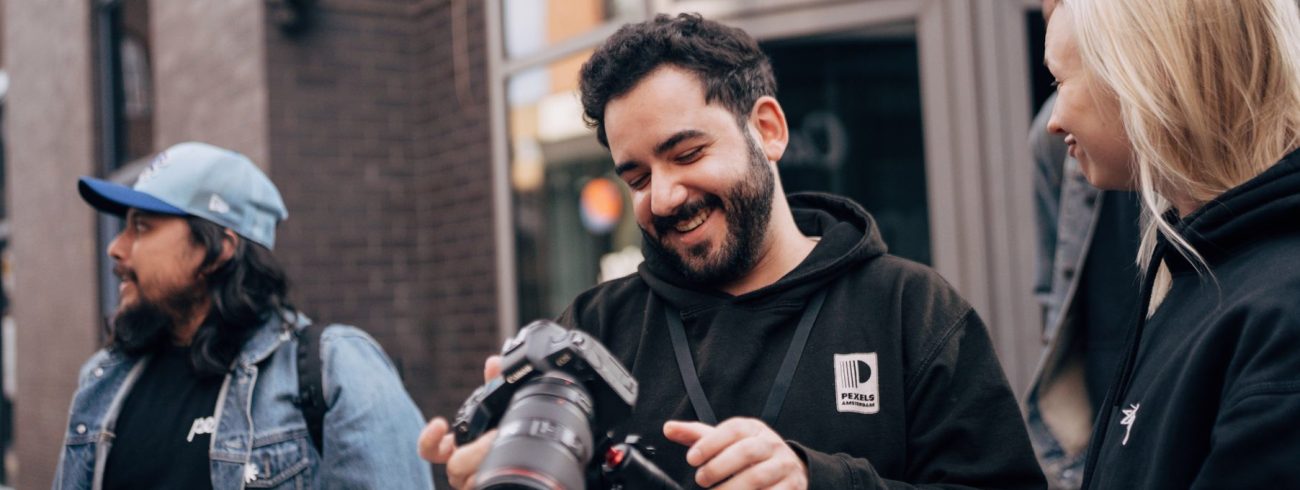
So we built a place where there is time to look closely. Sessions are small, equipment is available to every learner and recordings are reviewed together. Tutors can pause a take, show you the frame and explain what changed and why it matters to the viewer.
Our teaching covers the whole working chain: field camera operation, on-camera reporting, live coverage, audio and lighting for location, and interview technique. Reporters and operators often train in the same room, because on a real shoot they depend on each other and should understand each other's constraints.
We also run classroom workshops for newsroom teams and student cohorts, planned around what the group needs. Some want to tighten camera handling, others want better scripts or calmer live crossings. We agree the content with the client beforehand rather than offering a fixed formula.
Twelve years on, the approach has not changed much. We keep groups small, we keep the kit in people's hands and we give plain, useful feedback. The work is a craft, and craft improves through repetition with someone watching who knows what good looks like.