
Live Coverage Skills: A Checklist to Work Through Before You Decide
Tom Ellison
5 min read
Before choosing live coverage training, run through these questions on cueing, reporter and operator teamwork, kit, and handling the unexpected, so you pick the right course for the right people.
Start with who is actually going live
The first question on any checklist is the simplest: who will be on air or behind the lens when the red light comes on? Live coverage training works best when it matches the people in the room. A reporter who has only ever recorded pieces to camera needs different preparation from a seasoned operator who has never had to hold a shot while an earpiece talks in their ear.
Write down the names, the roles and the last time each person worked live. If the honest answer is never, say so. That is not a weakness, it simply tells you the course should begin with cueing, timing and basic crossings rather than skip to contingency planning.
If you manage a team, ask the reporters and operators separately what worries them most. The answers are often different, and a good course covers both sides of that gap.
- List each person and their live experience
- Note who has only recorded material before
- Ask reporters and operators separately what worries them
Check that reporter and operator train together
Live work is a partnership. The reporter delivers to a lens that someone else frames, and the operator follows a person who may step, turn or gesture without warning. Training that separates the two for the whole course leaves the hardest part untested: how they communicate when neither can stop the other.
When you look at a programme, ask how much of it puts a reporter and an operator on the same shoot. You want agreed hand signals, a shared understanding of where the reporter will stand and a clear way to say a shot has gone wrong.
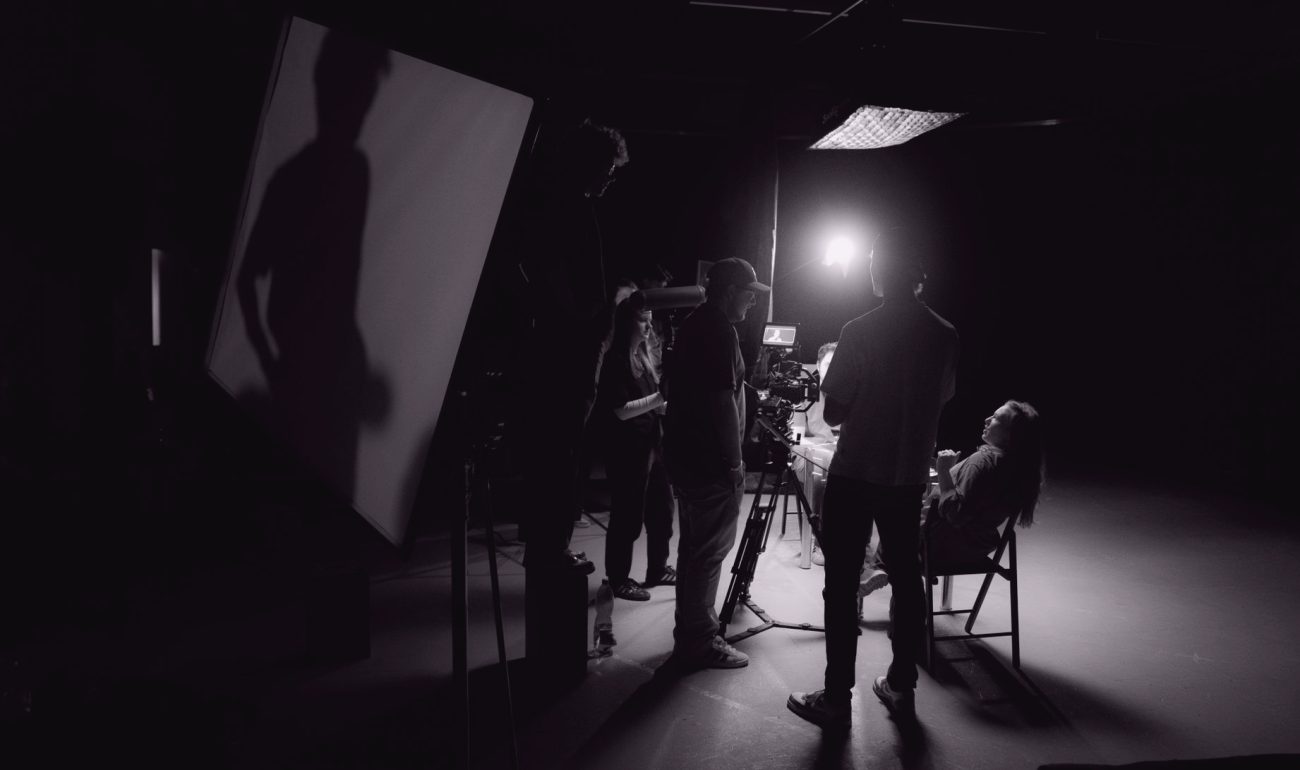
Our own live sessions are built around that pairing. Priya Nair, who leads them, draws on her years as a broadcast producer to run reporters and operators through crossings as a team, then swaps the roles so each side understands the pressure on the other.
- Ask how much time reporter and operator spend paired
- Look for agreed signals and framing marks
- Prefer sessions where roles are swapped
Look closely at how cueing is taught
Cueing is where many first live attempts come apart. A reporter who starts a beat early or late, or who does not know when the gallery has gone to them, loses confidence within seconds. Ask any provider how cueing is practised rather than merely explained.
A sound approach has people working to a count, responding to a spoken cue and then to a silent one, until the routine becomes habit. It should also cover what to do when the cue never arrives, because that happens more often than newcomers expect.
Find out whether you will practise with a real countdown and a running clock. Reading about cues in a handout is not the same as standing in front of a camera and being told you have ten seconds, then five, then you are on.
- Is cueing practised against a running clock?
- Are both spoken and silent cues covered?
- What is the drill when no cue comes?
Ask what happens when things go wrong
Live broadcasts rarely run exactly to plan. A microphone drops out, a passer-by walks into frame, the weather turns or the link to base fails. The measure of a live coverage course is how seriously it rehearses these moments instead of hoping they will not occur.
Ask whether the sessions deliberately introduce interruptions. Reporters should practise recovering a sentence, filling time calmly and signalling a problem without panic. Operators should practise holding a usable shot while something around them changes.
Be wary of any course that promises a smooth experience from start to finish. The useful promise is a calm response to a rough one, built through repeated, low-stakes practice before the pressure is real.
- Are interruptions built into the exercises?
- Do reporters practise filling time and recovering?
- Do operators practise holding a shot under disruption?
Be clear about kit, venue and group size
Practical details shape how much you learn. Check whether you will work with equipment similar to what your newsroom or your own kit provides, and whether each person gets enough time on camera rather than watching others take turns.
Small groups matter for live work because every crossing needs a reporter, an operator and someone giving feedback. Ask how many people share each camera and how long each person spends in the role.
Consider the venue too. Our classroom in Shrewsbury suits team days and cohorts, and practical shoots take the work outdoors where light, noise and movement are real. Ask any provider where the live practice actually takes place.
- Does the kit resemble what you will use?
- How many people share each camera?
- Is practice indoors only, or on location too?
Settle your questions before you enquire
Once you have worked through the points above, gather the answers into a short note: who is attending, their experience, what you want them to manage by the end, and any dates that suit. That note makes a conversation with a provider far more useful.
It also helps you compare. Two courses can sound identical in a description and differ sharply in how much paired practice, cueing drill and contingency work they contain. Your checklist shows which one fits.
If you would like to talk it through, the contact page has a form. Tell us about the team and what you hope they can do, and we will come back with a written quotation for you to consider at your own pace.
Deciding on live coverage training is easier with a list in hand. Know who is going live, insist on reporter and operator working together, test how cueing and mishaps are practised, and check kit, venue and group size. Answer those honestly and the right course tends to be obvious. If it helps to talk through your answers, get in touch through the contact page and we will take it from there.
Ask for a quote
Write to us: hello@elupho.com