
Piece to Camera: Voice and Posture Before the Script
Priya Nair
5 min read
Our on-camera reporting sessions now start with breath, stance and pace before any writing begins. Priya Nair explains why the order changed and what reporters notice in the first hour.
Why we changed the order of the session
For years our on-camera reporting sessions began with a script. Reporters arrived, were handed a topic, wrote forty seconds of copy and then recorded it. It worked, but we kept seeing the same thing on playback: sound writing delivered by a tight throat and a locked jaw, so the words never landed.
This autumn we turned the session around. The first hour is now about the body and the voice, and the writing follows. Helen Marsden leads that part of the course, and I sit in on many of the groups because the habits it builds carry straight into live work, where there is no second take to fix a nervous start.
The change came from watching playbacks together. When reporters saw their own shoulders rise as the red light came on, they understood the problem faster than any note from a tutor could explain it.
What the first hour now looks like
We begin standing, away from the camera. Reporters spend a few minutes on breathing low and slow, then read a short neutral paragraph aloud at three different speeds. Nobody is recording yet, so nobody is performing, and the room settles quickly.
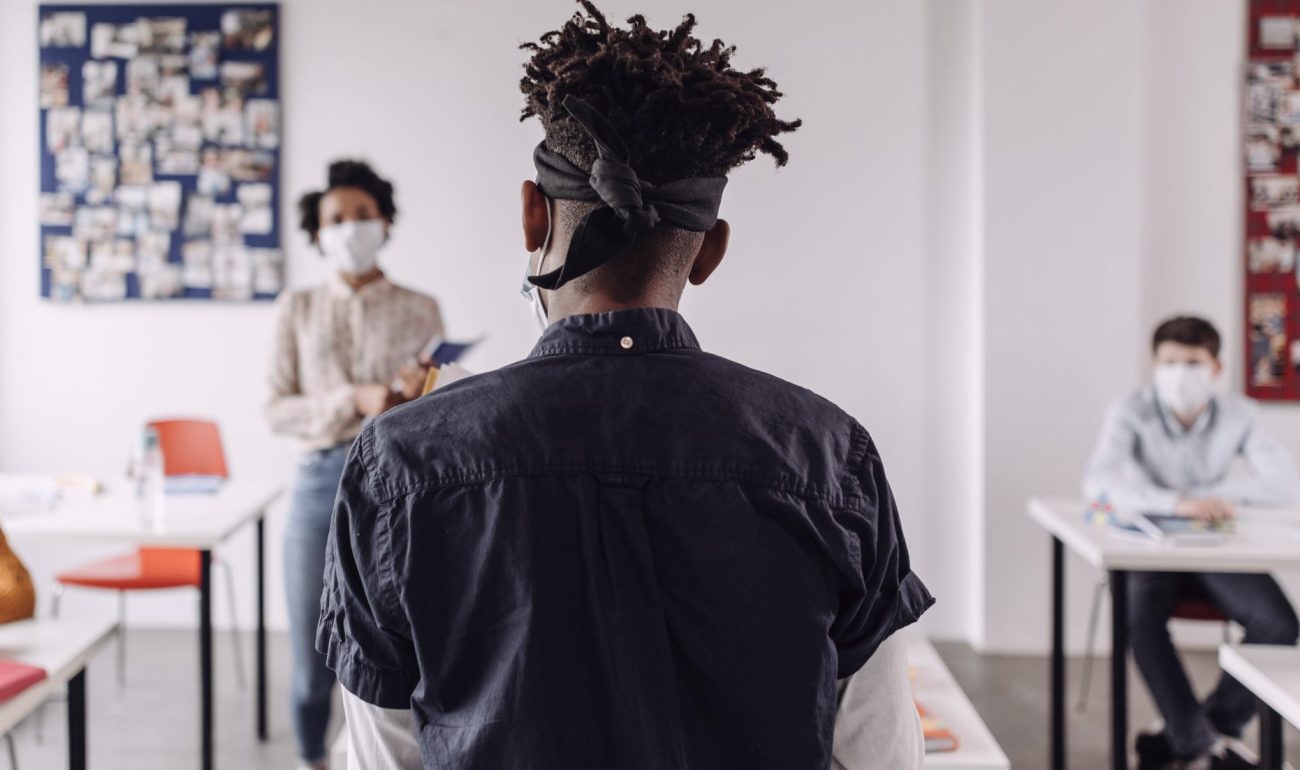
Next comes posture. We ask each person to find a stance they could hold for two minutes outdoors in wind: feet apart, weight even, hands free but not fidgeting. Then we frame them at chest height and let them speak a single sentence about what they had for breakfast. It sounds trivial, and it is, which is the point: the sentence is easy, so what we see is the delivery itself.
Only after that do we introduce a topic. By then the group has a shared vocabulary for what they are watching: pace, pitch, eye line and where the weight sits.
- Breathing and warm-up away from the lens
- Three reading speeds on neutral text
- A held stance for a short unscripted sentence
- First framed take with no pressure on content
Writing for the lens, once the voice is warm
Writing comes second, and reporters tell us it comes more easily. With the voice already working, they hear how a sentence will sound as they draft it. Long clauses that looked fine on paper show themselves at once, because there is no breath to carry them.
We teach a simple discipline: write to be spoken, read it aloud at every draft, and cut anything you stumble over. Short sentences carry the news. A longer one can follow if the first has done its job. We also ask reporters to open on something the viewer can see or picture, rather than on a statement of the obvious.
The script is never learned word for word. We prefer reporters to know the three beats of the piece and trust the draft to sit behind them, so the eyes stay on the lens instead of drifting to memory.
What reporters tend to notice
The most common remark at the end of the first morning is surprise at how much of the work is physical. People expect to be coached on words and find themselves talking about their knees, their jaw and where they look between sentences.
Experienced reporters often discover small habits they had stopped hearing in themselves: a rising tone at the end of statements, a quick swallow before the key line, a glance down at the notes just as the point arrives. None of these is a fault of talent. They are habits formed under deadline pressure, and they respond well to attention.
Newer reporters tend to notice something different. They find that a steady voice and a settled stance make the camera feel less like an examiner and more like a person listening, which changes how the whole piece feels to deliver.
- Rising tone at the end of statements
- A glance down just before the main point
- Held breath at the start of a take
- Hands that wander when the words run out
Who the session suits
On-Camera Reporting is built for working reporters who want to tighten their delivery, and for people moving into broadcast who have written plenty but spoken to camera very little. Groups are small, so every reporter records several takes and sees each one played back with a tutor beside them.
Camera operators sometimes join too, and we encourage it. An operator who has stood on the other side of a weak piece to camera knows what a reporter needs from the person behind the lens, and the reverse is true as well. It makes later live sessions smoother, because each side already understands the other's pressures.
The session takes place in our Shrewsbury classroom and, weather permitting, on a short outdoor stretch nearby, so reporters can feel the difference between a calm room and a breezy pavement.
Bringing it into live work
Voice and posture work is not a separate skill from live coverage. In a crossing, a reporter has a few seconds to settle before the cue and no chance to restart. Those who have rehearsed a repeatable stance and a slow first breath handle that moment far better than those relying on adrenaline.
This is why I like to see On-Camera Reporting come before the live sessions in a reporter's training. The habits are quiet and unglamorous, but they hold when an earpiece crackles or a question arrives that nobody planned for.
If you are weighing up where to start, begin with the voice. The writing, the framing and the live skills all sit on top of it.
The new running order is a small change with a clear effect: reporters leave the first session sounding more like themselves and less like they are reading. If you want to see how it would work for you or your newsroom, get in touch through the contact page and Tom Ellison will talk you through dates and group sizes.
Ask for a quote
Write to us: hello@elupho.com