

What you can learn with us
-
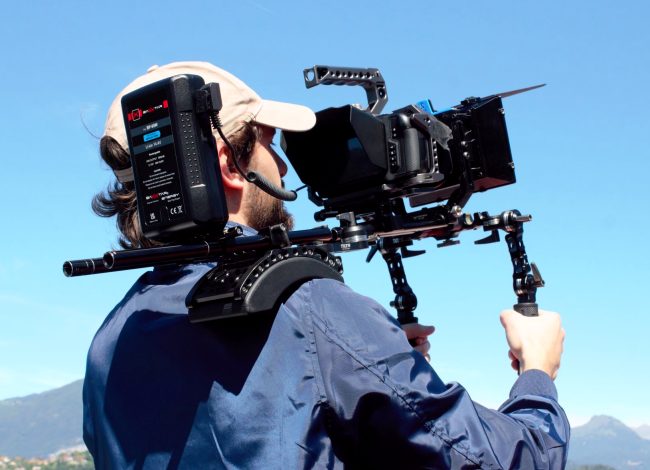
Field Camera Operation
Framing, exposure, focus and handheld stability for news and feature shoots. You practise on location with a tutor beside you, so habits get corrected while you are still filming.
Training → -
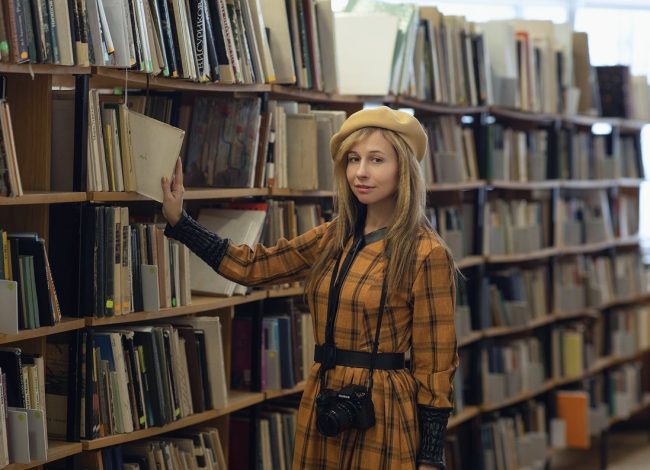
On-Camera Reporting
Piece-to-camera delivery, voice, posture and writing for the lens. Sessions are recorded and reviewed with you, so you can see what viewers see and adjust.
Training → -

Live Coverage Skills
Reporters and operators learn to work as one crew on live broadcasts, from cueing and timing to handling the unexpected when a position, signal or guest changes.
Training → -
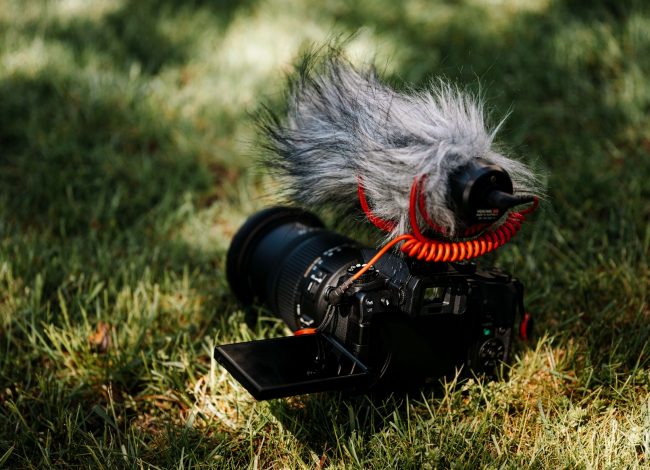
Audio and Lighting for Location
Clean sound capture and simple lighting set-ups for interviews and standups. You build the kit up from basics and learn which problems are worth fixing on location.
Training → -
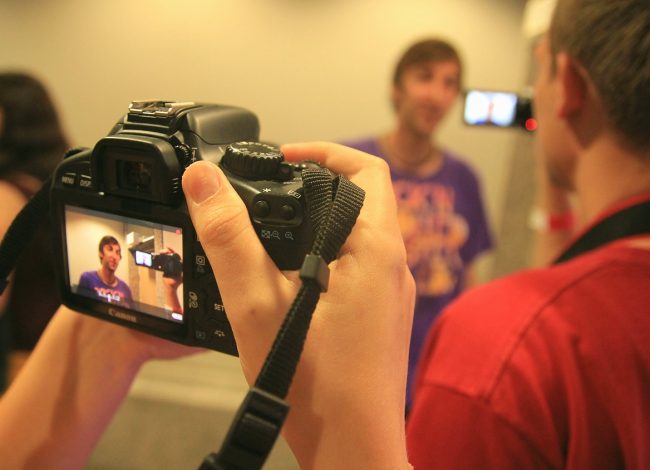
Interview Technique
Structuring questions, listening properly and shooting interviews that cut together cleanly. We cover set-up, eyelines and follow-ups, then you run interviews yourself.
Training → -
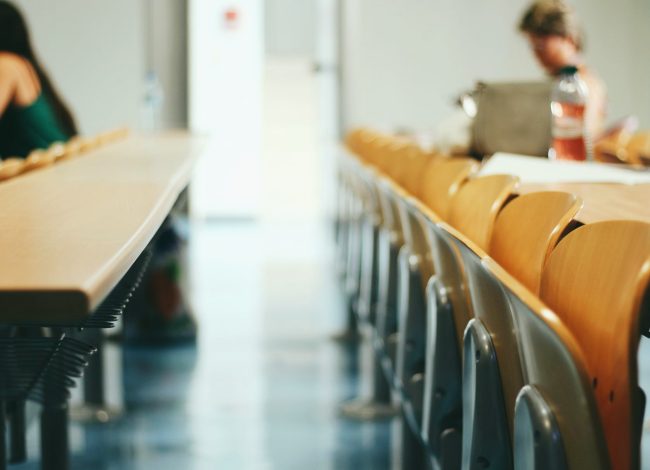
Classroom Workshops for Teams
Group days in our Shrewsbury classroom for newsroom teams and student cohorts, planned around the skills your group needs to build and the time you have.
Training →
How we teach, and why it sticks
Our courses are built for people who work with cameras and microphones, not for people who want to read about them. Here is what that looks like in the classroom and out on location.
-
Small groups
Groups stay small so every learner gets time with the equipment and with a tutor. Nobody spends a session watching from the back of the room.
-
Practical shoots
Most of each course is spent filming, recording and reviewing. Classroom time is there to prepare a shoot or to look closely at what you have just captured.
-
Tutors from the industry
Our tutors have worked as reporters, camera operators and producers. They teach what they did on real jobs and know where beginners usually get stuck.
-
Clear feedback
Feedback is specific and given while it can still help. You hear what worked, what did not and what to try on the next take.
-
Real deadlines
Exercises run to broadcast-style timings, so you learn to work calmly when a slot is short and the light is changing.
-
Live crossings practice
Reporters and operators rehearse crossings together, including cueing, communication and recovering when something goes wrong mid-shot.
-
Skills you can measure
We review early recordings against later ones, so you can see for yourself how framing, delivery and sound have improved over the course.
-
Encouraging atmosphere
Mistakes are part of learning a craft. We keep the room supportive so people are willing to try again and push their technique.
Who we usually train
- Regional reporters
- Camera operators
- Newsroom managers
- Journalism students
- Trainee producers
- Freelance crews
From first enquiry to finished course
Getting started is straightforward. You tell us what you need, we confirm what we can offer, and the training itself is organised around real shooting practice.
-
Send an enquiry
Use the contact page to tell us who is training, their experience and what you want to improve. A few lines is enough to begin a conversation.
-
Agree the plan
We reply with a suggested programme, dates and group size, and adjust it with you. You receive a written quotation or confirmation setting out what is included.
-
Prepare for the day
Before the session we send practical details: where to meet, what to bring and any scripts or footage that would be useful to look at together.
-
Train and shoot
Sessions combine short classroom briefings with hands-on work on location or in the classroom. Tutors watch, step in where needed and review recordings with you.
-
Review and follow up
We finish with a recorded review of what improved and what to keep practising. Payment is by invoice and bank transfer, following the written confirmation.
What participants say about the training
These comments come from reporters, operators and team leads who have attended sessions in Shrewsbury. They describe what changed in their daily work.
“I had been filming handheld for years and never realised how much I was drifting during longer takes. David watched me on location and changed my stance and grip in an hour. My shots are visibly steadier now.”
“Helen made me read my scripts aloud and cut half the words. The pieces to camera I recorded on the last afternoon were far cleaner than my first ones. I now write for the ear before I write for the page.”
“We booked a classroom day for our small newsroom team. Priya ran a live crossing exercise where we deliberately lost a cue, and it was the most useful hour of the day. We still talk about it.”
“As a student I was nervous around the kit. The groups were small enough that I got hands-on time with the camera and a microphone every session, and the feedback was always kind but direct.”
Ask for a quote
Write to us: hello@elupho.com